Visiting the Loire Valley châteaux means crossing five centuries of French history in just a few dozen kilometres. The problem is not finding a château to see, it is choosing which ones and in what order. From the Château de la Huberdière, at Nazelles-Négron near Amboise, you sit right in the middle of the map. Here is how we suggest planning your visits.
Which Loire Valley châteaux should you visit first?
To visit the Loire Valley châteaux first, keep the ones that tell the Renaissance story best: Chenonceau for its gallery over the Cher, Chambord for its sheer scale and its double-helix staircase, Villandry for its gardens, Amboise and Clos Lucé for Leonardo da Vinci. Four or five names are enough to fill a first stay.
The classic mistake is trying to fit in too much. Two châteaux a day is already plenty if you want to enjoy the gardens and the surrounding villages. Better to slow down and keep time for the Loire itself, its banks, its markets and its cellars.
The must-sees around Amboise
The must-sees around Amboise can be reached on foot, without getting back in the car. The royal château overlooks the Loire right in the town centre, and Clos Lucé, a few steps away, holds the last home of Leonardo da Vinci and the models of his inventions. A morning at the royal château and an afternoon at Clos Lucé make an ideal first day. Amboise is an excellent base camp, and it is ours too.
Twenty minutes away, Chenonceau spans the Cher with its arches and Diane de Poitiers' garden. It is arguably the most photogenic château in the valley, best seen early in the morning to avoid the crowds. Allow time for the gardens and the flowering kitchen garden, which are worth the visit on their own.
Chambord, Chaumont, Villandry
Push a little further and three visits are worth the detour. Chambord, about an hour away, impresses with its size and its hunting estate: you can hire a bicycle or a boat to explore the grounds. Chaumont-sur-Loire charms visitors with its international garden festival, renewed every year from April to November. Villandry is the benchmark for French formal gardens, best seen in spring or early summer, when the ornamental kitchen garden is at its peak.
A few distance markers from Amboise:
- Chenonceau: 20 minutes
- Chaumont-sur-Loire: 25 minutes
- Villandry: 45 minutes
- Chambord: 1 hour
- Blois: 40 minutes
- Cheverny: 50 minutes
Azay-le-Rideau and Langeais, two Touraine châteaux
Less crowded than Chambord, two Touraine châteaux deserve a morning. Azay-le-Rideau is mirrored in the Indre, set on its island, a jewel of the early Renaissance on an intimate scale, the very opposite of Chambord's excess. Langeais, further north, keeps the look of a medieval fortress with its drawbridge and its great towers, and it was here that the marriage uniting Brittany with France was celebrated. Both lie in the same area as Villandry, west of Tours. They pair well over a single day, far from the coaches that clog the big names. If you have already seen the must-sees, this trio in western Touraine makes a second stay on its own.
A three-day itinerary from Amboise
Here is a three-day itinerary from Amboise that leaves room to breathe, tested on a first stay.
- Day 1: Amboise and Clos Lucé in the morning and afternoon, then the market and the banks of the Loire
- Day 2: Chenonceau early in the morning, lunch at Montrichard, then Chaumont-sur-Loire and its gardens
- Day 3: Villandry and its gardens, or Chambord for its sheer scale, depending on the mood
This plan avoids long drives and keeps a half-day free to unwind. You can shift it up a notch and add a fourth day for Blois and Cheverny, or for a tasting at Vouvray.
The order matters as much as the choice. Start Chenonceau and Chambord at opening time, before the coaches arrive, and save Amboise and Clos Lucé for a moment when you are on foot, with no parking to worry about. Weekends and the May bank holidays draw the biggest crowds. On weekdays, even at the height of summer, the queues melt away.
Beyond the châteaux: vineyards and the banks of the Loire
Beyond the châteaux, the valley also lives through its vineyards and the banks of the Loire. The cellars of Vouvray and Montlouis-sur-Loire, a few minutes from the château, are carved into the tuffeau stone, where the smell of damp stone and wine hits you the moment you step in. The Loire à Vélo cycle route runs along the river for kilometres of gentle paths, open to everyone. The troglodyte villages, the markets and the summer riverside guinguettes extend the stay well beyond the monuments alone.
Taking time for these extras turns a château trip into a real stay in Touraine. It is often what visitors remember most.
Practical tips for your visits
A few habits make the stay run more smoothly. The great châteaux open early: arriving at opening time, around nine or ten, means enjoying the rooms and the gardens before the groups. Book tickets online in advance for Chenonceau and Chambord in high season, which spares you the queue. Many sites offer a combined château-and-gardens ticket, better value than two separate entries.
Keep closing times in mind too: some monuments close earlier out of season, and the gardens of Villandry are mainly a daytime visit. To lighten the days, alternate a great château in the morning with something gentler in the afternoon, a village, a cellar, a bike ride. Touraine is better savoured at this pace than by rushing from monument to monument.
How do you get here and get around Touraine?
From Paris, allow 2 hrs 20 by road, or the TGV to Saint-Pierre-des-Corps station near Tours, then a hire car. Touraine is best explored by car: the châteaux are scattered across the countryside, and few are served by public transport. The Château de la Huberdière is 30 minutes from Tours and ten minutes from Amboise, which puts most of the great sites within an hour's drive. For the short hops between Amboise, Chenonceau and the vineyards, the hillsides and the Loire à Vélo also lend themselves beautifully to two wheels.
Which base should you choose to visit the châteaux?
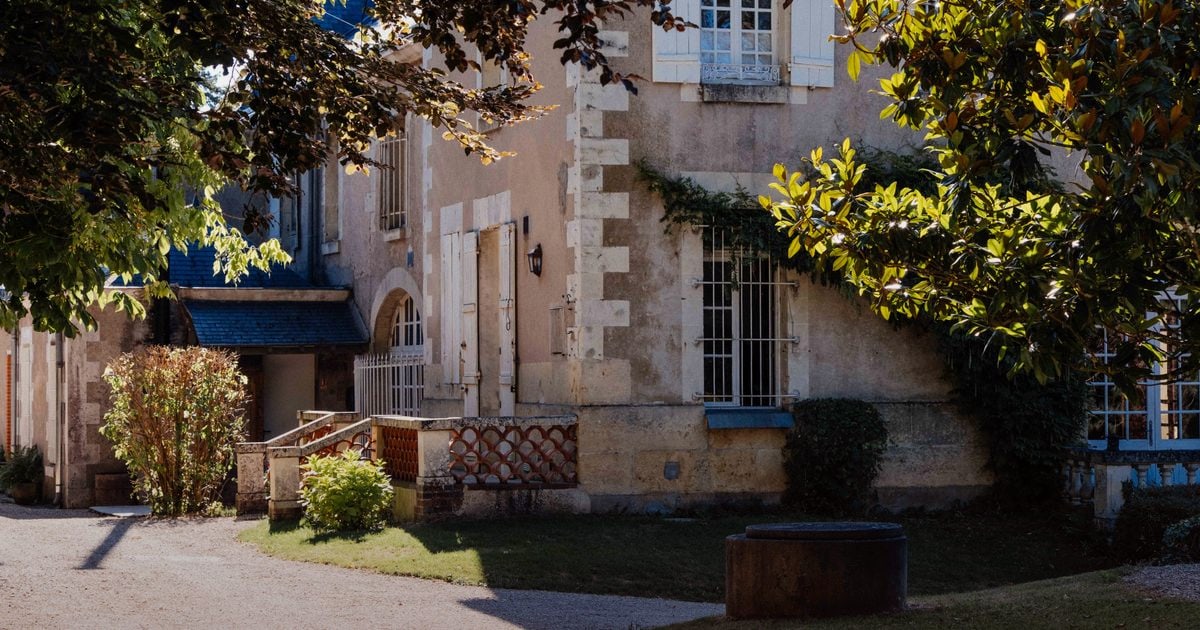
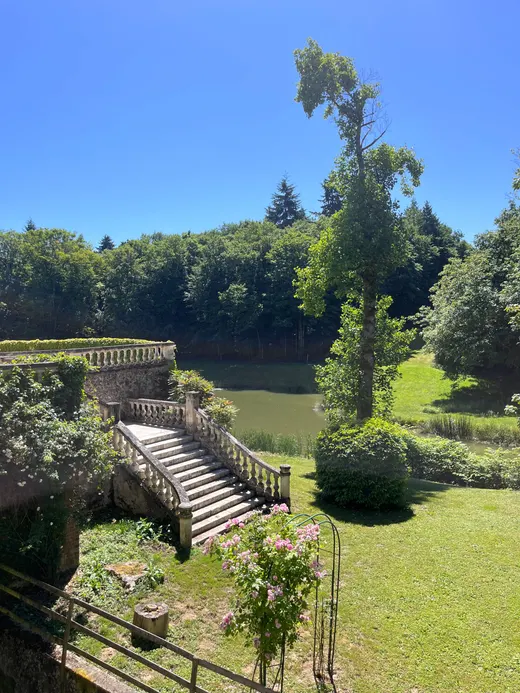
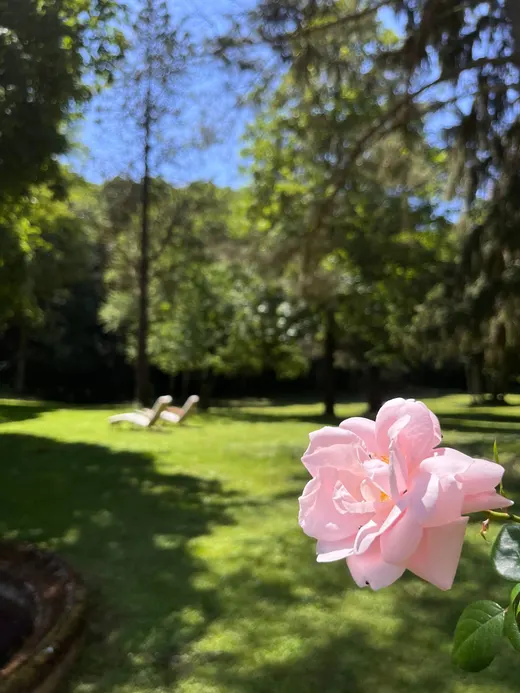
To visit the Loire Valley châteaux, the best base is a central address, quiet, from which you can tour without losing time on the road. That is exactly where the Château de la Huberdière sits, ten minutes from Amboise and at the centre of the valley, in enclosed grounds of 14 hectares.
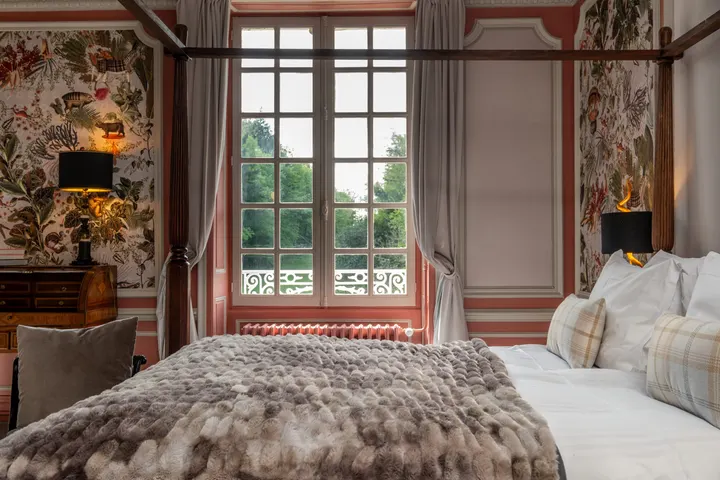
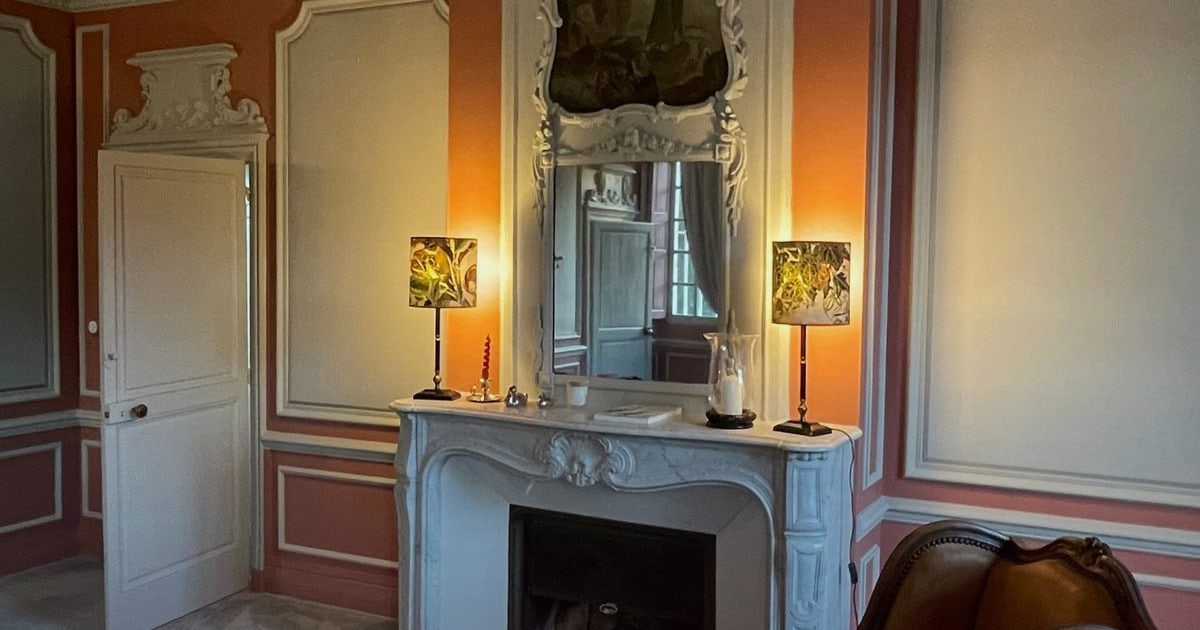
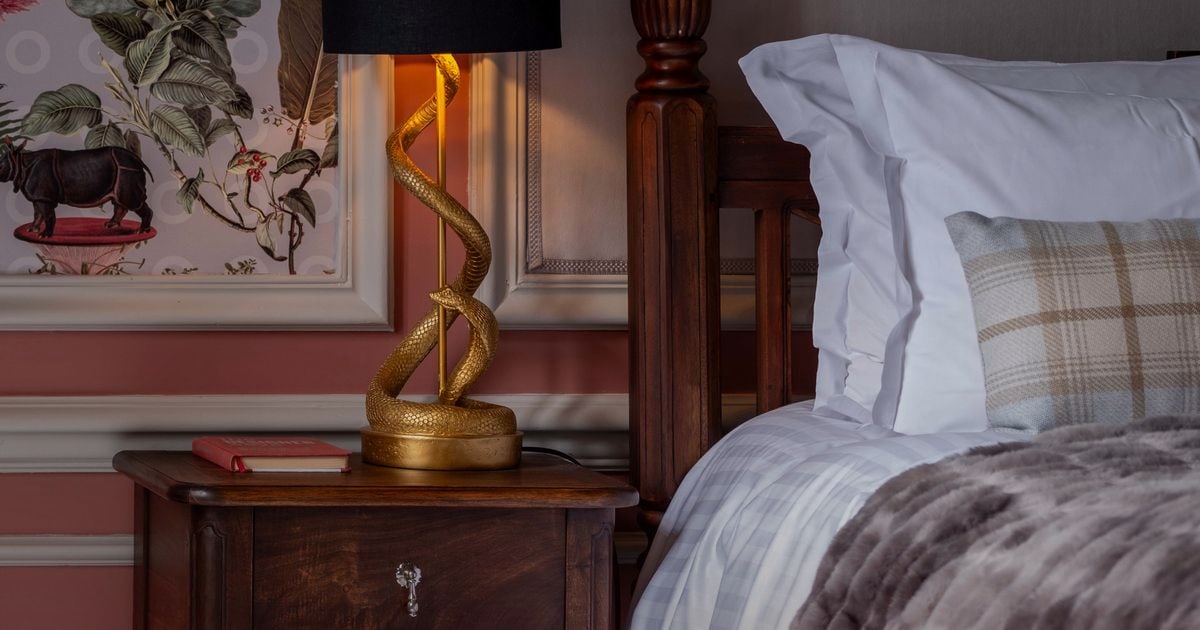
Staying in a château rather than an ordinary hotel extends the experience: in the evening you come back to the grounds, you dine at the host's table, you set off the next day well rested. Each of our 10 rooms has its own character, and that is deliberate.
Keeping the same address all week changes a great deal. Unpacking once, not repacking every morning, coming back in the evening to a place that already feels familiar: that is what separates a real stay from a string of stopovers. Many visitors set out on the idea of a different hotel near each château, then give it up, worn down by the changes and the evening drives. A fixed, central base removes this back and forth and leaves the mind free for the visits. We detail the rooms and how to plan a stay on the stay page, and our guides to bed and breakfasts in Amboise and to a night in a Loire Valley château complement this one.
How many days should you allow to visit the châteaux?
A stay of three or four nights is enough to see the essentials without rushing. You combine the great châteaux, the vineyards of Vouvray, the banks of the Loire by bike and the village markets. I am Italian, I learned the region by travelling it, and we love sharing our itineraries, tailored to the season and to your pace.
To prepare your visit and check availability, head to the stay page or write to us. We will help you build the route that suits you.