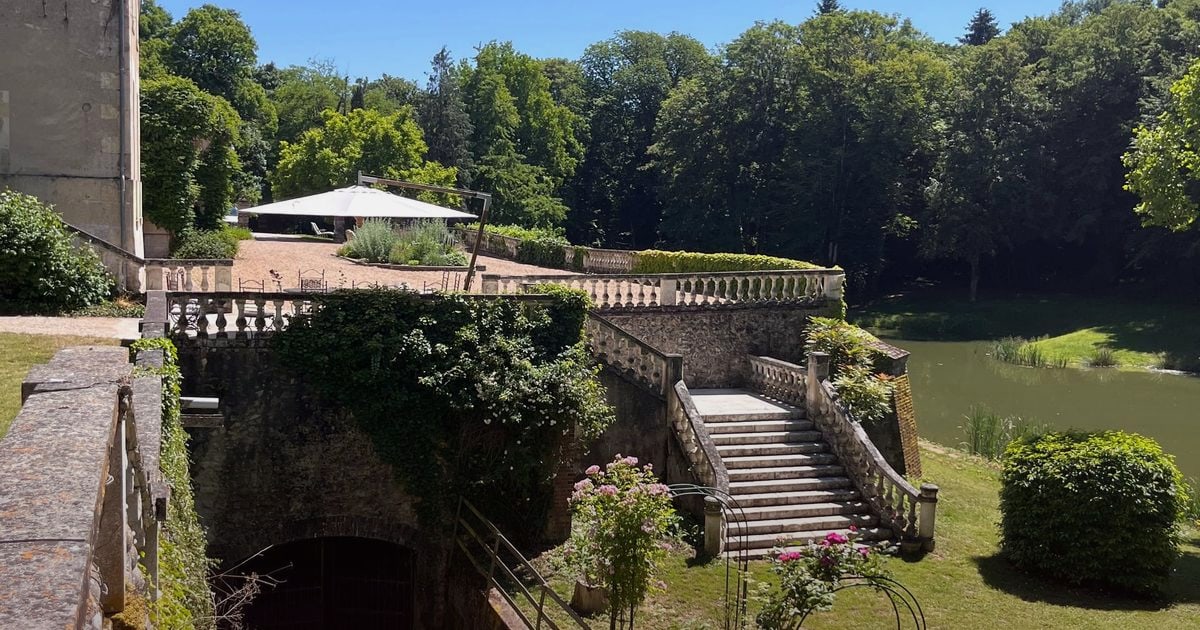
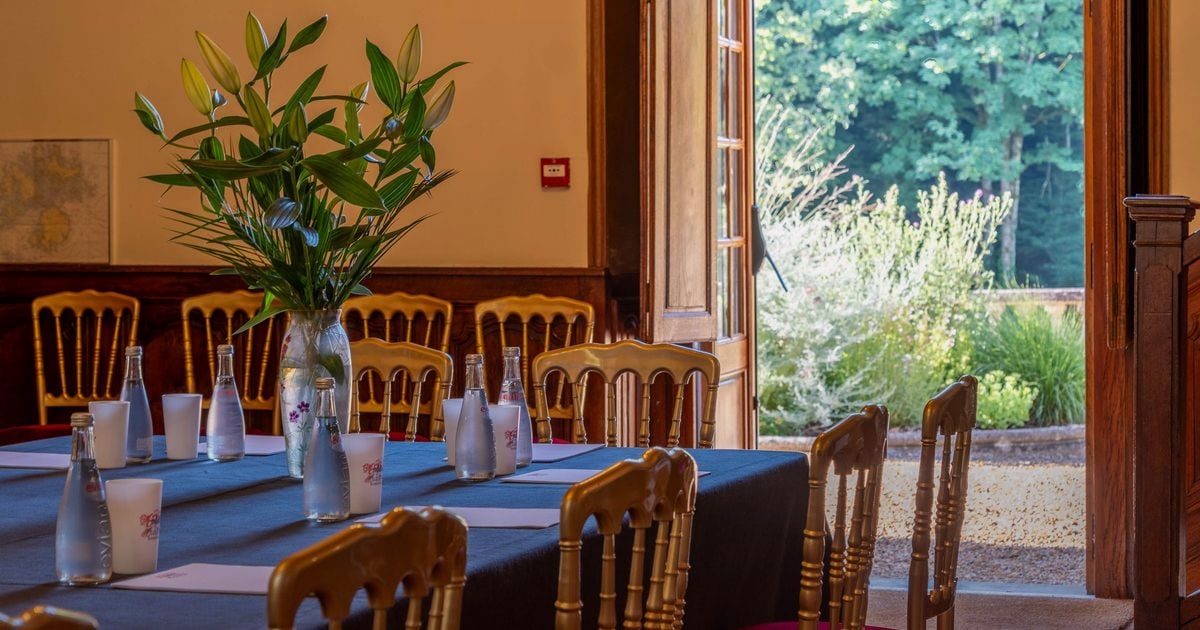
A successful outdoor team building day rarely comes down to budget: it comes down to the place and the programme. In Touraine, around the Château de la Huberdière, fourteen hectares of private grounds and a region full of outdoor activities let you build a day that leaves a mark, 2 hrs 20 from Paris.
I host teams here all year round, and I see a lot of lukewarm programmes go by. Here are twelve activities we genuinely organise, what each one brings to a group, and how they fit around a working day.
Why does the Loire Valley suit outdoor team building?
The Loire Valley brings together three things that rarely meet in one place: accessible countryside, spectacular heritage and real regional food, all less than three hours from Paris. That combination makes it natural ground for team cohesion.
Outdoor team building works because it moves people away from their usual markers. A sales director struggling with a paddle, a developer rolling fresh pasta, a junior reading a map better than anyone else: hierarchies loosen, and what happens there travels back to the office. The setting does much of the work. Here the park is walled, with no neighbours and no passing traffic, and the group has it entirely to itself for the length of the stay. You will find the full details of the spaces and packages on the page dedicated to hosting a seminar at the château.
Access matters more than people expect. The estate is 2 hrs 20 by road from Paris, or one hour by TGV to Saint-Pierre-des-Corps then thirty minutes by car. A team leaving at 8 am arrives in time for lunch, which leaves a genuine afternoon of activity rather than a late arrival. That is the difference between a two day team building and a day and a half you paid two days for.
Three activities in the château grounds
The easiest activities to organise are the ones that happen on site, in the grounds, with no transfers and no fixed time slots. They open or close a working day without breaking its rhythm.
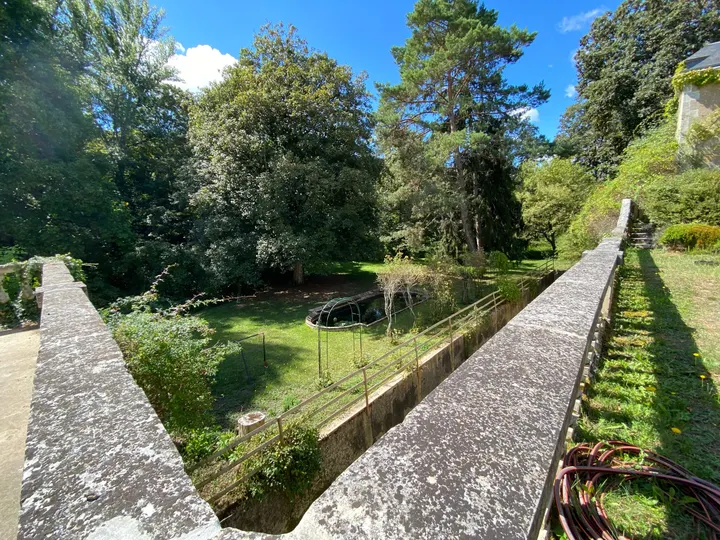
1. The estate treasure hunt. Fourteen hectares, a kitchen garden, avenues, an ornamental pond: enough to build a riddle trail in teams, over an hour and a half to two hours. We adapt the challenges to your goals, whether that is mixing teams or launching a project.
2. The outdoor tournament. Pétanque, mölkky, croquet: three games, teams drawn at random, a leaderboard. It is basic, and that is exactly why it works at the end of a dense day.
3. Waking up in the park. A thirty minute walk or a yoga session on the lawn before breakfast. The grounds are silent at that hour, and the group walks into the meeting in a state of mind that has nothing to do with a coffee swallowed standing up. In summer, the heated pool takes over in the late afternoon.
Three hands on workshops
Hands on workshops build cohesion faster than any group exercise, because they produce something concrete that everybody then shares at the table.
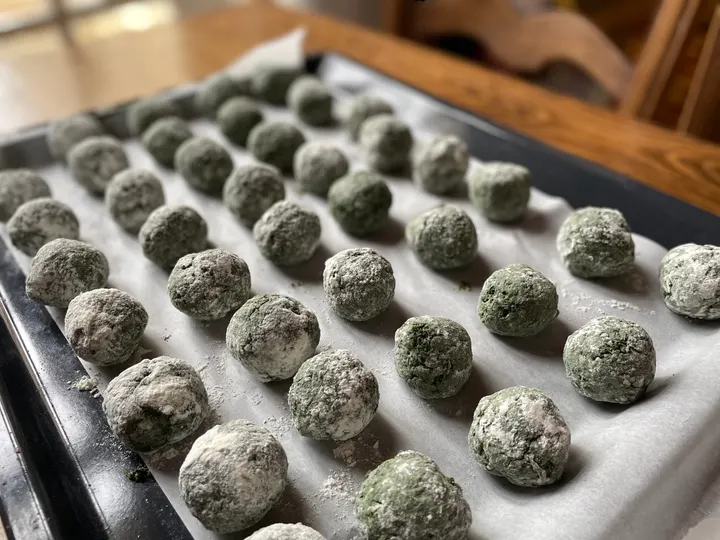
4. Lodovica's Italian cookery class. Lodovica is Italian, and she runs the château kitchen. Fresh pasta, sauces, tiramisu: teams cook the dinner they will eat that same evening. It is the activity groups mention most often as they leave.
5. The blind wine tasting. Three Loire wines, tasting sheets, teams arguing it out. A whisper of sommelier expertise, a lot of laughter, and a real introduction to the Vouvray and Montlouis appellations.
6. Picking in the kitchen garden. Teams harvest what will go into the meal, with the constraint of the real world: what is out of season does not make it onto the plate. Ideal before a cookery workshop. For more on what we serve in the evening, discover the château table.
Three days out in the open air
Outdoor trips take a little more logistics, but they are the ones people remember. We book the slots and coordinate the transfers with our local partners.
7. A hot air balloon flight at sunrise. Take off around 6 am, an hour above the slopes and the châteaux, then back to the estate for breakfast. It is expensive, it is spectacular, and nobody forgets it. Book several weeks ahead, the weather has the final word.
8. A canoe descent on the Cher. Two to three hours on the water, in pairs. You quickly learn who listens and who sets the pace, which often says more than a communication workshop.
9. The Loire à Vélo cycle route. A loop of 20 to 40 kilometres on a flat, waymarked route that suits every level. Bike hire, a picnic prepared by the house, and back to the château in the late afternoon.
Three heritage and vineyard discoveries
The Loire Valley offers heritage few regions can match, and a well chosen visit beats one more workshop. All of it lies less than thirty minutes from the château.
10. Clos Lucé and Amboise. Leonardo da Vinci's final home and his machines, a quarter of an hour from the estate. Allow half a day with the town and the royal château.
11. Chenonceau at opening time. The most visited château in the Loire is also the most pleasant before 10 am, when the coaches have not yet arrived. A morning visit before picking work back up at midday.
12. The Vouvray cellars. A tasting in the tuffeau stone cellars, twenty minutes away. Cool, impressive, and a fine transition before a regional lunch. Our guide to visiting the Loire châteaux sets out the routes and timings that work best.
What do you do if it rains?
Outdoor team building in the Loire Valley is always planned with a plan B, because a Loire sky changes within the hour. The good news: half the activities on this list work just as well indoors.
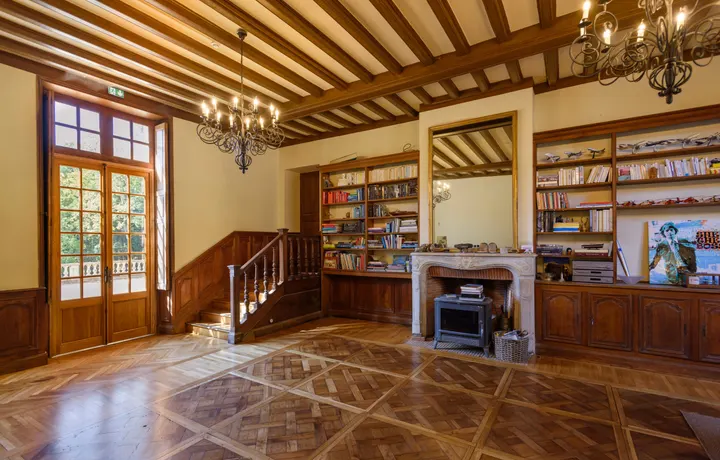
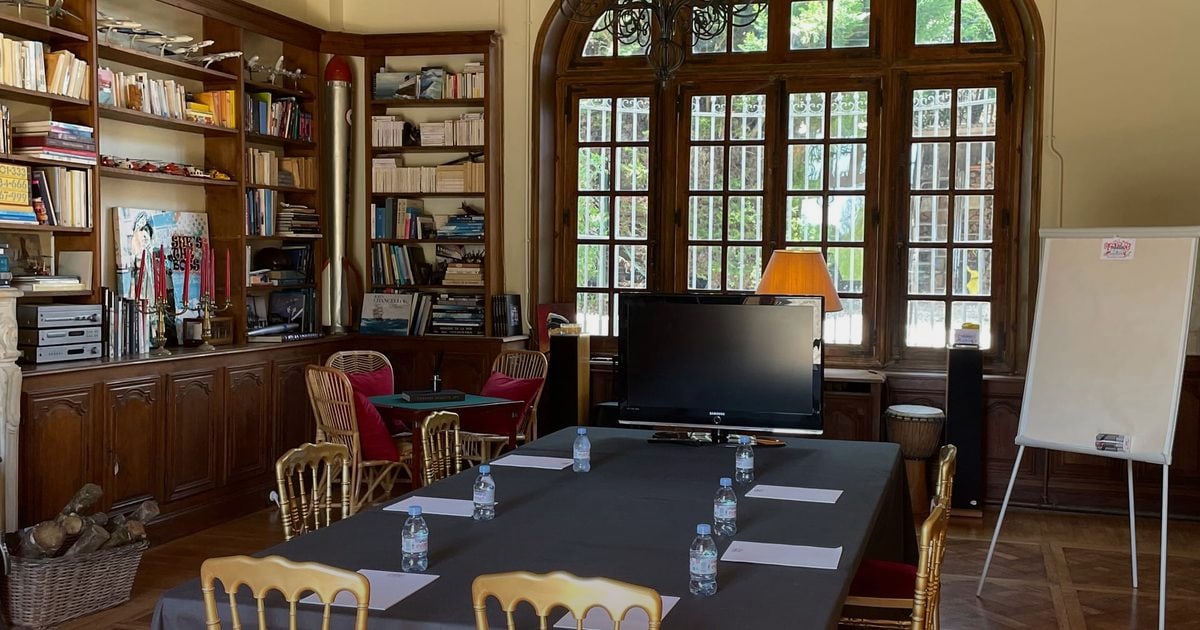
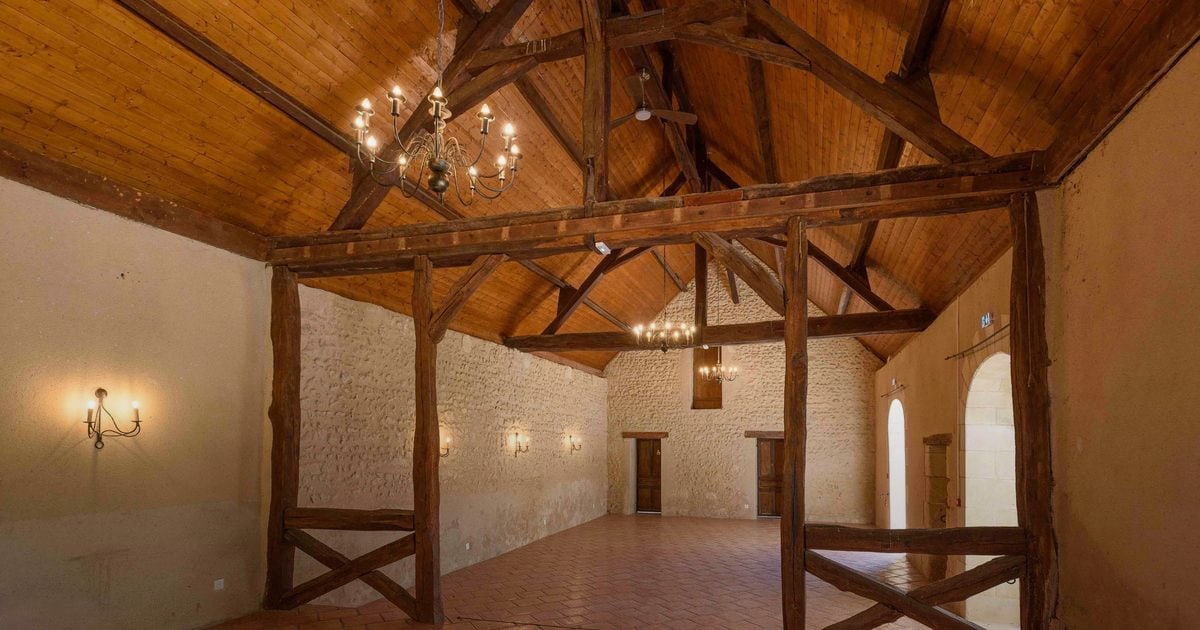
The cookery class, the blind tasting and the cooperation games move without losing anything into the 200 sq m Orangery or into one of the château's four drawing rooms, more intimate, with a fire in winter. The estate treasure hunt becomes a riddle trail inside the house, which is at least as much fun. Only the balloon flight and the canoe truly depend on the weather, and we confirm those the day before with our partners.
My advice: never present the programme to participants as final. A team told that an activity might change accepts the switch without frustration; a team that has read the word "balloon" on an invitation will carry the disappointment all day.
How do you build a day that holds together?
A good team building day alternates work, physical effort and time at the table, and never stacks two high points back to back. That is the one rule I genuinely defend.
The format I see working best comes in three parts. A working morning in the 200 sq m Orangery, which takes the whole group in plenary. One activity in the afternoon, just one, chosen for the objective of the moment rather than to tick a box. Then dinner, the evening, and the real conversations that arrive once the official day is over. Staying overnight changes everything here: teams sleep on site, in 10 bedrooms for 21 people, and nothing scatters when evening comes.
Two mistakes come up again and again. Stacking three activities into one day, which produces fatigue and no memories at all. And choosing an activity that half the group quietly dreads: always offer a gentle alternative alongside the canoe or the balloon. A full day by day breakdown is set out in my article on organising a seminar at the château, and the piece on taking the estate on an exclusive-use basis for a group covers what changes when the place is yours alone.
Tell me your dates, the size of the team and what you want these two days to achieve: I will send you a programme and a proposal within 24 hours.